Transform Your Everyday Water Quality With Professional Water Conditioning Solutions
Water plays a much bigger role in everyday life than most people realize. From preparing your morning coffee and washing clothes to cleaning kitchen surfaces and operating commercial equipment, the quality of your water can influence numerous daily activities.
Unfortunately, hard water, unpleasant tastes, mineral deposits, and unwanted impurities can make these ordinary tasks more frustrating than necessary.
You might notice stubborn white marks around faucets, dishes that never look completely clean, or appliances that require increasingly frequent maintenance. These problems can gradually become expensive and inconvenient.
The good news is that modern water treatment technology offers practical solutions for residential and commercial properties. Understanding your water quality and choosing suitable treatment equipment can make everyday water usage more enjoyable while helping protect valuable plumbing fixtures and appliances.
Experience the Everyday Difference of Treated Water
Have you ever stepped out of the shower and noticed that your skin feels unusually dry? Perhaps your freshly washed glasses still have cloudy mineral spots despite using a quality dishwasher detergent.
Hard water could be contributing to these frustrations.
With an appropriately selected treatment system, you can enjoy soft, filtered water in your home or business while addressing specific water quality concerns that interfere with everyday convenience.
Softened water can help reduce mineral buildup around plumbing fixtures, improve soap lathering, and minimize certain cleaning difficulties associated with water hardness.
Suitable filtration equipment can address different concerns, including unpleasant tastes, odors, and certain unwanted substances, depending on the technology used.
For homeowners, these improvements can make everything from laundry to kitchen cleaning more manageable.
Commercial properties may also benefit from reduced mineral accumulation in water-using equipment. Restaurants, hotels, offices, and other businesses often rely on consistent water quality to support daily operations.
Rather than repeatedly dealing with the effects of poor water quality, installing suitable treatment equipment offers a more proactive approach.
Understanding Which Water Treatment System Fits Your Needs
Not every water quality problem requires the same solution. Some properties struggle primarily with excessive mineral content, while others experience concerns involving drinking water taste or dissolved substances.
Choosing between a water softener or reverse osmosis system becomes easier when you understand how these technologies address different water quality issues.
Traditional ion-exchange water softeners primarily reduce hardness by exchanging calcium and magnesium ions for sodium or potassium ions. This process helps minimize scale formation and can improve the effectiveness of soaps and detergents.
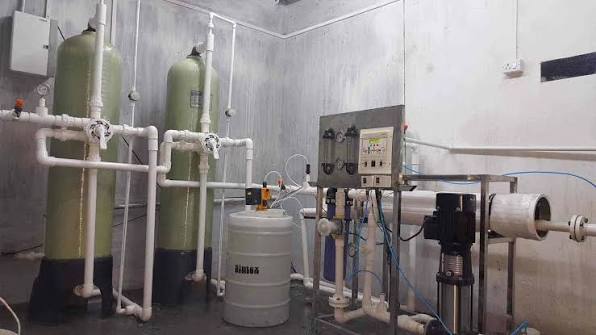
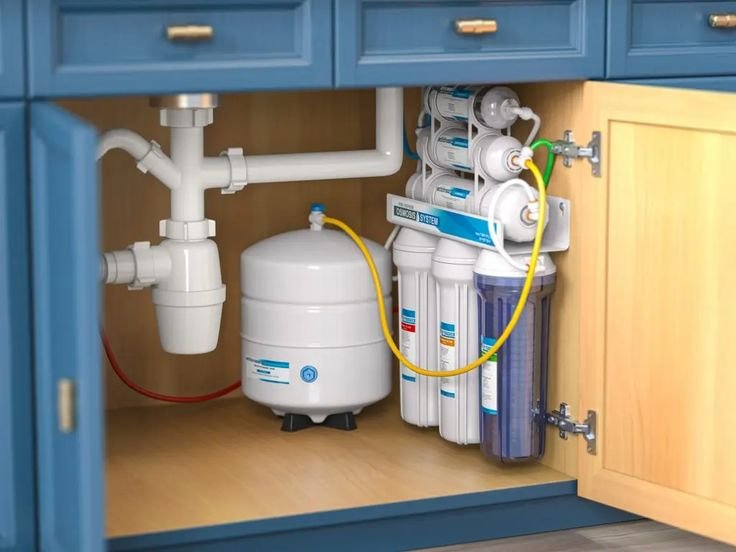
Reverse osmosis equipment operates differently. It uses pressure to move water through a specialized membrane that reduces many dissolved substances.
These systems are commonly installed near kitchen sinks to provide treated water for drinking and cooking.
Imagine tackling stubborn mineral deposits throughout your home while also wanting better-tasting drinking water. In this situation, combining a whole-property softener with a suitable point-of-use reverse osmosis system might be appropriate.
However, neither technology should be considered a universal solution for every water quality concern.
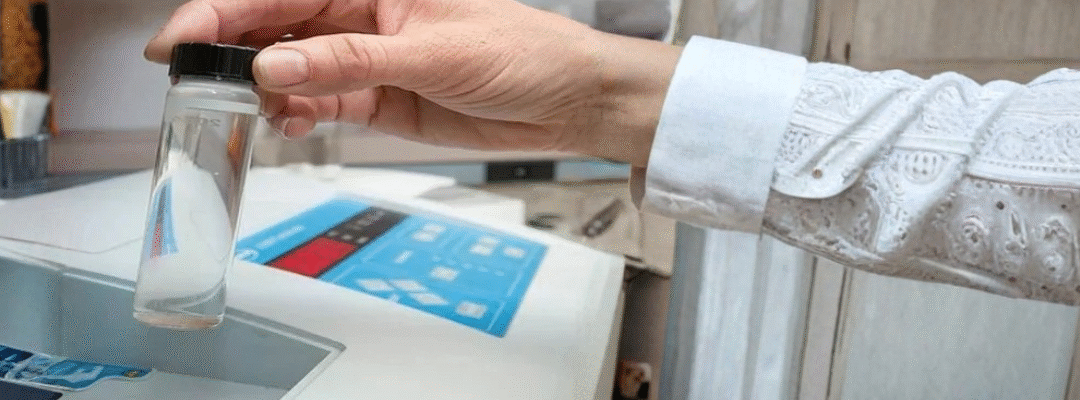
Water testing can help determine which treatment method addresses your specific requirements. Reviewing equipment certifications and contaminant reduction claims is equally important before making a purchase.
Why Professional Water Treatment Makes a Meaningful Difference
Purchasing water treatment equipment might seem straightforward, but selecting and installing the right system requires careful consideration.
Professional water conditioning services can help property owners understand their existing water quality, compare suitable treatment technologies, and establish solutions that reflect their actual requirements.
A thorough assessment may include evaluating water hardness, household consumption, plumbing conditions, and specific concerns regarding taste, odor, or mineral accumulation.
Equipment capacity deserves particular attention.
For example, a busy household with several bathrooms may require a different water softening arrangement than a smaller property occupied by one or two people.
Commercial establishments may have even greater demands because of their operating schedules and specialized equipment.
Experienced professionals can recommend appropriately sized systems and explain installation requirements, maintenance responsibilities, and anticipated operating expenses.
This personalized approach helps prevent unnecessary purchases while ensuring that the selected equipment addresses relevant water quality concerns.
Professional assistance can also make ongoing maintenance easier by helping property owners understand when filters, membranes, or other components require servicing.
Recognizing Common Signs of Water Quality Problems
Water quality concerns don’t always become apparent immediately. Sometimes, the earliest indications appear through small changes in everyday household activities.
Common signs worth investigating include:
- Chalky white deposits around faucets and showerheads.
- Cloudy spots on freshly washed dishes and glassware.
- Difficulty producing a satisfactory soap lather.
- Unpleasant tastes or odors in drinking water.
- Excessive mineral accumulation inside water-using appliances.
- Laundry that feels unusually stiff after washing.
These symptoms may indicate different underlying water quality issues.
It’s also important to remember that clear, pleasant-tasting water isn’t necessarily free from harmful contaminants.
Professional water testing provides more reliable information than relying entirely on appearance, taste, or smell.
Protecting Plumbing Fixtures and Water-Using Appliances
Mineral accumulation can gradually affect equipment that regularly comes into contact with hard water.
Water heaters, dishwashers, washing machines, and certain commercial appliances may experience scale buildup over time.
Appropriate water softening can help reduce these deposits, potentially lowering certain maintenance requirements and preserving equipment performance.
For business owners, minimizing avoidable equipment problems may also help reduce operational interruptions.
Although water treatment cannot prevent every plumbing or appliance failure, addressing excessive hardness offers a practical way to reduce scale-related concerns.
Maintaining Your Water Treatment Equipment for Consistent Results
Like other household equipment, water treatment systems require periodic attention.
Traditional water softeners may need regular salt replenishment, while reverse osmosis equipment requires filter and membrane replacements according to manufacturer recommendations.
Monitoring equipment performance and arranging appropriate professional servicing can help maintain consistent treatment results.
Keeping maintenance records also makes future servicing easier to manage.
Make Better Water Part of Your Everyday Routine
Improving water quality doesn’t have to involve complicated changes to your lifestyle.
With appropriate testing, thoughtful equipment selection, professional installation, and consistent maintenance, homeowners and business owners can address many common water quality concerns.
Whether your priority is reducing mineral deposits, improving drinking water taste, or protecting valuable appliances, selecting treatment equipment based on your actual needs is essential.
After all, better water isn’t simply about what comes out of your faucet. It’s about everyday convenience, cleaner surroundings, and greater confidence in the water you use throughout your property.