Finding the Right Water Treatment Approach for a Cleaner, More Comfortable Home
Water is something most of us take for granted. We turn on the kitchen tap, fill a glass, start the washing machine, or step into the shower without thinking much about what is flowing through the pipes. That changes when the water starts leaving white marks on the fixtures, staining the laundry, or carrying an unusual smell. Suddenly, something so ordinary becomes a source of frustration.
The good news is that many household water concerns can be addressed once their causes are understood. Some problems come from naturally occurring minerals, while others may involve sediment, disinfectant by-products, or specific contaminants. The trick is knowing what you’re dealing with before investing in equipment.
A thoughtful approach to water treatment can improve everyday comfort, protect certain household appliances, and help you make informed decisions about the water your family uses.
Start by Understanding Your Water
Every home has its own water conditions. Municipal supplies are generally treated and monitored under applicable drinking water regulations, but the mineral content and taste can still vary from one area to another. Private wells bring different considerations because groundwater quality depends on local geology, nearby land use, and the condition of the well itself.
Hard water is a common example. It contains elevated levels of calcium and magnesium, which can form deposits on faucets, shower screens, and heating elements. You might notice that soap doesn’t lather as easily or that freshly cleaned glassware develops cloudy spots after drying.
Other issues include reddish stains associated with iron, particles suspended in the water, and unpleasant odours. Some are mainly cosmetic, while others may require more careful investigation. Appearance alone cannot establish whether water is safe to drink because certain contaminants are invisible and have no noticeable taste.
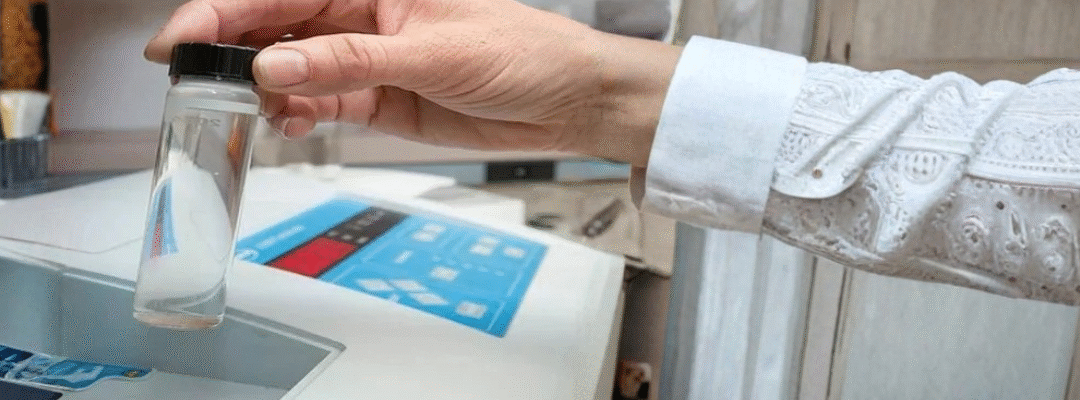
Start with a water test that reflects your source and concerns. A municipal water report can provide useful background, while private well owners should arrange appropriate laboratory testing regularly. If you suspect contamination, choose a test that specifically measures the substances in question rather than relying on a basic screening.
Why Professional Guidance Can Make a Difference
When water problems become noticeable, it’s easy to browse online and purchase the first filter that promises cleaner water. Unfortunately, a product designed to improve taste may do very little for hardness, while a softener won’t necessarily address microbial contamination.
Reliable water treatment services can help homeowners understand their test results and identify practical options. A qualified provider should explain the problem, recommend suitable equipment, and discuss installation requirements, operating costs, and maintenance.
For example, a home with visible sediment may benefit from a properly sized sediment filter. A household experiencing mineral buildup may need a softener, while a family concerned about a particular dissolved contaminant might require a certified drinking water filtration system.
Ask questions before agreeing to an installation. What does the equipment remove? Has its performance been independently verified? How often do filters need replacing? Will the system affect water pressure or create wastewater?
Good advice should include the limitations of the proposed equipment, not just its advantages. If a provider recommends an expensive system without explaining the test results or the reason for each component, getting a second opinion is sensible.
Understanding the Main Treatment Technologies
Different treatment methods work in different ways, and choosing the right one depends on the water itself.
Sediment filters capture particles such as sand, dirt, and rust. They’re often used as a first stage to protect plumbing fixtures and other treatment equipment. Activated carbon filters can reduce chlorine and certain organic compounds, depending on their design and certification, making them useful when taste or odour is the main complaint.
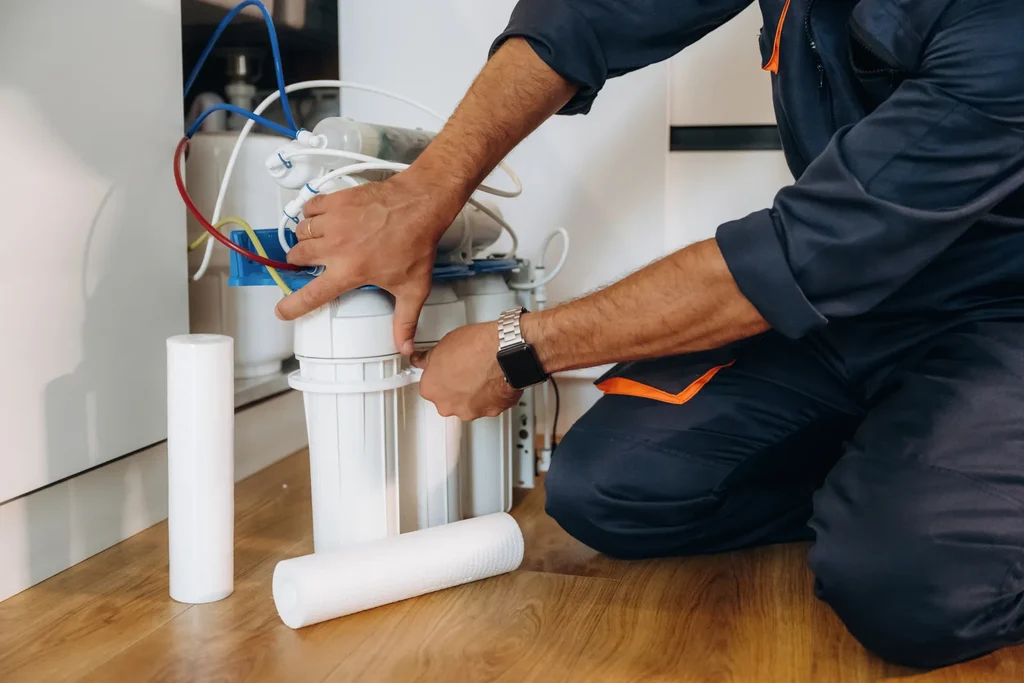
Reverse osmosis systems use a specialised membrane to reduce many dissolved substances. These units are commonly installed beneath kitchen sinks to supply water for drinking and cooking. They require regular filter replacement and generally send some water to a drain, so maintenance expenses and water efficiency deserve consideration.
Ultraviolet disinfection is another option when microbial contamination is a concern. Properly designed UV systems can inactivate susceptible microorganisms, but they don’t remove dissolved chemicals or suspended particles. The water may need pretreatment, and the equipment must be maintained to work reliably.
No single technology removes every possible contaminant. Sometimes a combination of methods makes sense, but more stages don’t automatically mean better results. The aim is to select equipment that addresses identified problems without adding unnecessary complexity.
When Water Softening Solutions Are Worth Considering
If mineral deposits are the biggest frustration in your home, water softening solutions may offer meaningful benefits. Conventional ion-exchange softeners reduce calcium and magnesium by exchanging these hardness minerals for sodium or potassium ions.
For homeowners dealing with hard water, the improvements can show up in ordinary routines. Soap may rinse away more easily, showerheads can stay clearer for longer, and cleaning stubborn scale may become less time-consuming. Reduced mineral buildup can also help protect certain appliances, including water heaters, depending on the conditions and equipment involved.
Still, a softener isn’t a universal water treatment device. It doesn’t automatically remove bacteria, pesticides, or all dissolved substances. If a water test identifies several concerns, additional treatment may be needed.
Consider the system’s capacity before purchasing. A small unit may struggle to keep up with a large household, while an oversized system can cost more than necessary. Water hardness, daily consumption, regeneration frequency, and salt or potassium expenses all influence the long-term value.
It’s also important to understand the effect on drinking water. Sodium-based softeners add some sodium during the exchange process, with the amount depending partly on the original hardness. Households with specific medical dietary restrictions should seek appropriate professional advice before choosing a system.
Exploring Ozone Water Purification
Some homeowners encounter ozone as an alternative or additional method of water treatment. Ozone water purification uses ozone gas, a powerful oxidising agent, to treat water under controlled conditions.
When properly designed and operated, ozone treatment can help inactivate many microorganisms and oxidise certain substances, including some compounds responsible for taste and odour. It can also be used in specialised treatment applications where conventional methods alone may not meet the desired objectives.
However, ozone is not a simple plug-and-play solution for every home. Its effectiveness depends on factors such as ozone concentration, contact time, water chemistry, and the contaminants being targeted. Certain applications may require additional filtration to remove particles or reaction by-products.
Ozone also breaks down relatively quickly, so it does not provide a lasting disinfectant residual throughout a household’s plumbing system. Systems need appropriate controls, safe installation, and maintenance. Because ozone gas can be harmful when inhaled, equipment must be designed to prevent unsafe exposure.
Before choosing ozone equipment, ask a qualified water treatment specialist whether it suits your particular water conditions. Compare it with other technologies using documented performance information rather than assuming that an advanced-sounding method is always the best one.
Don’t Ignore Maintenance and Running Costs
Even a high-quality treatment system needs attention after installation. Filters become exhausted, softeners require regeneration, and disinfection equipment may need inspections or replacement components. Neglecting maintenance can reduce performance and leave homeowners uncertain about whether the system is still doing its job.
Keep records of filter changes, service visits, and water testing. Follow the manufacturer’s maintenance schedule, and arrange additional testing when appropriate to verify that a system targeting a specific contaminant continues to perform as intended.
Before buying, compare the total cost over several years rather than looking only at the initial price. Include installation, replacement filters, salt, electricity, and professional servicing where applicable. Equipment with affordable replacement parts and clear maintenance instructions may provide better long-term value than a cheaper system with expensive proprietary components.
Make a Confident Decision About Your Home’s Water
Improving household water starts with asking the right questions. Identify the problem, test the water appropriately, and compare treatment methods that are designed to address the results.
Some homes need a simple drinking water filter. Others may benefit from softening, specialised disinfection, or several technologies working together. The right choice depends on the water source, household requirements, budget, and verified treatment performance.
Don’t feel pressured into buying the most complicated system available. A practical solution backed by reliable information is often far more valuable than an expensive collection of features you may never need.
With suitable equipment, regular maintenance, and professional guidance when necessary, you can make everyday water use more comfortable and take better care of your home’s plumbing. It all begins with understanding what’s in your water and choosing a solution that genuinely fits your needs.