Better Water, Fewer Worries: Why Testing and Professional Treatment Make a Difference
Water affects more of our daily lives than we probably realize. It influences the taste of our morning coffee, the condition of household appliances, and even how much time we spend cleaning the bathroom. For businesses, water quality can also affect operating expenses, equipment reliability, and customer satisfaction.
Yet many people don’t investigate their water supply until something noticeably changes.
Perhaps the kitchen tap develops an unpleasant taste, or mineral deposits become increasingly difficult to remove. Whatever the concern, finding a lasting solution begins with understanding what’s causing it.
A thoughtful approach to water quality testing and treatment helps property owners identify genuine problems and select equipment that addresses them effectively. Instead of spending money on products that might work, you can make decisions based on reliable information.
What Everyday Water Problems Can Tell You
Some water quality concerns are difficult to miss. Chalky deposits around faucets, reddish stains in sinks, and cloudy drinking water are all familiar examples.
Excessive calcium and magnesium may contribute to mineral hardness, while elevated iron concentrations can cause staining and unpleasant metallic tastes.
But visible changes only tell part of the story.
Certain potentially harmful contaminants cannot be detected through taste, smell, or appearance. Water that looks perfectly clear isn’t necessarily safe to drink.
This is particularly important for households relying on private wells, where groundwater conditions may change over time.
Pay attention to when unusual characteristics appear and whether they affect multiple fixtures. These observations can help narrow down possible causes, although proper testing is necessary to confirm them.
Why Professional Assistance Is Worth Considering
Shopping for water treatment equipment can quickly become confusing. Different products promise similar benefits, yet their actual capabilities may vary considerably.
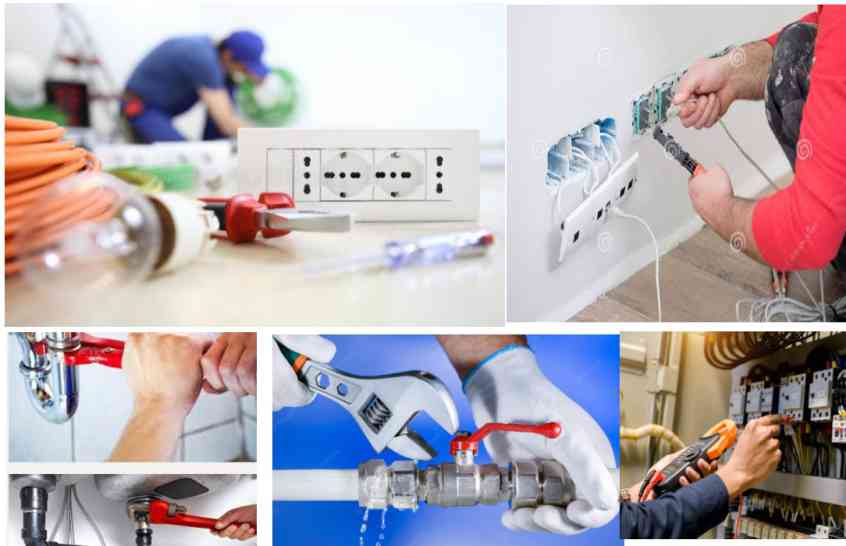
Working with dependable professional water treatment services can help homeowners and business owners understand these differences and explore solutions suited to their requirements.
A qualified specialist should investigate water conditions, discuss consumption patterns, and consider existing plumbing before recommending equipment.
Imagine purchasing an expensive filtration system to address mineral deposits, only to discover that a conventional water softener would have been more appropriate.
It’s an unnecessary expense that better guidance might have prevented.
Professional assistance can also be useful when combining treatment technologies or investigating recurring equipment problems.
Good service should involve clear explanations, transparent pricing, and practical recommendations rather than pressure to purchase unnecessary products.
How Filtration Requirements Differ Between Homes and Businesses
A family preparing dinner and a restaurant serving hundreds of customers have considerably different water requirements.
Effective home and business water filtration involves understanding how water is used, which contaminants need attention, and how much treated water the property requires.
Residential customers often prioritize drinking water taste, reduced sediment, and protection against mineral buildup.
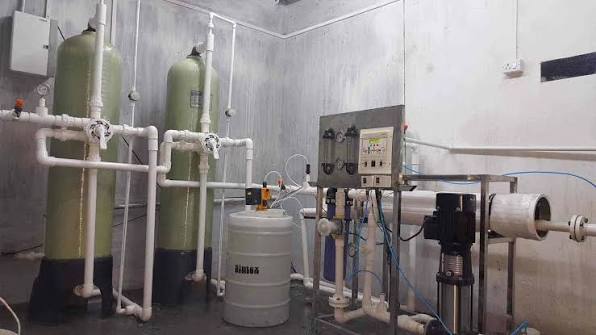
Commercial properties may require higher treatment capacities to accommodate food preparation, laundry operations, manufacturing processes, or other water-dependent activities.
Consider a busy café. Water quality can influence beverage flavour while excessive hardness may contribute to scale accumulation inside coffee machines.
A suitable treatment arrangement should reflect the equipment’s requirements and the business’s operating conditions.
Proper sizing becomes particularly important when several fixtures or appliances operate simultaneously.
Understanding Your Water Treatment Options
There’s no shortage of water treatment technologies available today. The important thing is knowing what each one actually does.
Sediment filters capture suspended particles, including sand, silt, and rust. Activated carbon filtration may help reduce certain chemical tastes and unpleasant odours.
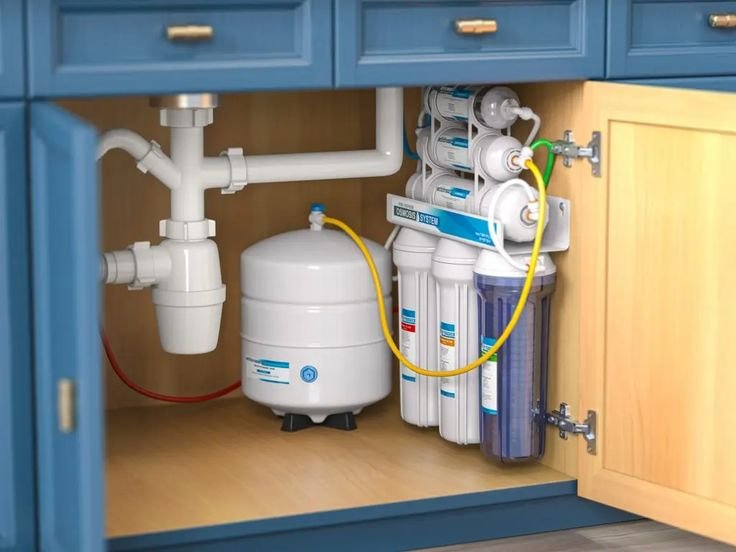
Traditional water softeners address excessive hardness through ion exchange, while reverse osmosis technology reduces various dissolved substances using a semipermeable membrane.
Ultraviolet disinfection helps inactivate susceptible microorganisms when equipment is properly selected and maintained.
Each technology serves a specific purpose.
Some properties benefit from combining treatment methods, particularly when testing identifies several different concerns.
However, additional equipment doesn’t automatically mean better water. A straightforward system that addresses the actual problem may provide greater value than an unnecessarily complicated installation.
Water Testing Shouldn’t Be a One-Time Event
Water conditions can change, sometimes without any noticeable warning.
Groundwater fluctuations, ageing plumbing, flooding, and equipment deterioration may influence the characteristics of a property’s water supply.
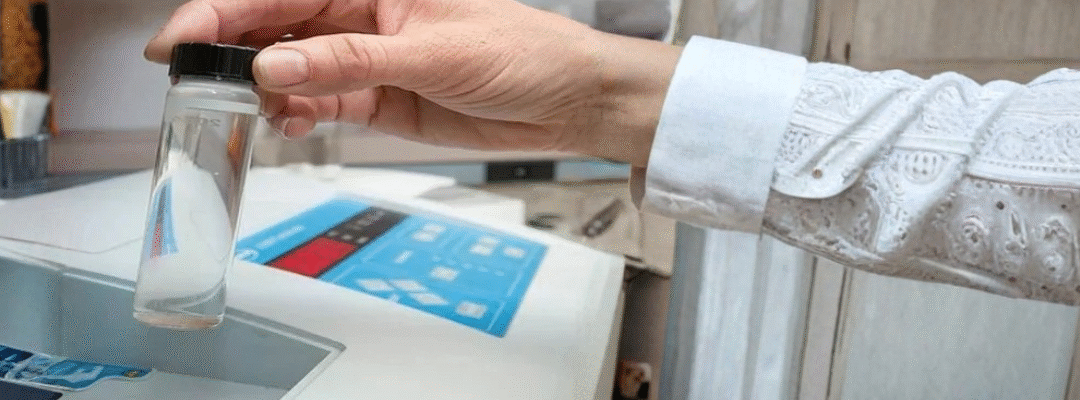
Private well owners should arrange regular laboratory testing, while municipal water customers can review their supplier’s water quality reports and investigate property-specific concerns when necessary.
Businesses should establish monitoring procedures suited to their operations and applicable water quality requirements.
Follow-up testing can also help verify treatment effectiveness after equipment installation or servicing.
Keeping previous test results provides a useful reference when investigating unexpected changes.
If contamination is suspected, use a safe alternative drinking water source and seek guidance from the appropriate health authority.
Protecting Your Investment Through Regular Maintenance
Installing water treatment equipment is only the beginning. Filters eventually reach their service limits, softeners generally need salt replenishment, and certain components require periodic servicing.
Before purchasing a system, ask about replacement costs, maintenance schedules, and warranty coverage.
These details might seem less interesting than the immediate benefits, but they matter considerably over the equipment’s working life.
A simple maintenance calendar can help prevent forgotten filter replacements and unnecessary operational problems.
Making Better Water Part of Everyday Life
Improving water quality doesn’t necessarily require an expensive renovation or the most advanced equipment available.
Whether you’re maintaining a family home or managing a commercial property, reliable testing and suitable treatment can help make water-related responsibilities more manageable.
Start by understanding your supply, ask meaningful questions, and choose equipment that genuinely addresses your concerns.
Sometimes, the benefits appear gradually: fewer stubborn deposits, better-tasting beverages, or less time dealing with equipment maintenance.
These improvements might seem small individually, but together they can make everyday life noticeably easier. And that’s ultimately what thoughtful water treatment should accomplish.