Understanding Your Home’s Water: From Mineral Buildup to Better Drinking Water
You don’t always notice water quality problems right away. Sometimes, it’s the white residue left around the kitchen faucet. Other times, your shower glass never seems to stay clean, your laundry feels rough after washing, or your drinking water has a taste that makes you reach for a bottled alternative. These small frustrations can become part of everyday life before you realize there’s a better way to manage them.
The important thing is not to assume every water problem has the same cause. Different homes have different water sources, plumbing systems, and treatment needs. Once you understand what’s happening, choosing a practical solution becomes much easier. It may involve a simple filter, a water softener, or a more specialized treatment system, depending on what your water actually contains.
Why Mineral Deposits Keep Coming Back
If you’ve scrubbed white marks off a faucet only to see them return a few days later, hard water could be responsible. Hard water contains dissolved minerals, mainly calcium and magnesium. These minerals are naturally present in many water supplies and can leave deposits when water evaporates.
The connection between hard water and mineral buildup becomes especially noticeable in bathrooms, kitchens, and areas where water is heated. Showerheads may become clogged, glassware can develop cloudy spots, and kettles may collect a chalky layer inside. Over time, scale can also accumulate in water heaters and certain appliances, potentially affecting their efficiency.
Hard water isn’t usually considered a health risk simply because it contains these minerals. The inconvenience is often practical: cleaning takes longer, soap may not lather as expected, and fixtures can look worn even when they’re relatively new.
Regular cleaning can help control surface deposits, but it doesn’t address the underlying hardness. If buildup keeps returning, testing the water can help determine whether a softener or another approach would be worthwhile.
Start by Finding Out What’s in Your Water
It’s tempting to buy a treatment device as soon as something seems wrong. A filter advertised as a complete solution might sound appealing, particularly when you’re tired of dealing with stains or unpleasant tastes. But equipment works best when it’s chosen for a specific reason.
Water testing can help identify hardness, iron, pH, sediment, and other substances relevant to your water source. The right test depends on the issue you’re investigating. If you use a private well, regular testing through a qualified laboratory is especially important because groundwater quality can change over time.
People connected to a municipal supply can review the local water quality report for general information. However, that report may not reflect conditions inside an individual home’s plumbing. Older pipes, household fixtures, and plumbing materials can sometimes affect water after it enters the property.
Remember, clear water isn’t necessarily contaminant-free. Likewise, a strange taste doesn’t automatically mean the water is unsafe. If you notice a sudden change in color, smell, or appearance, investigate the cause instead of assuming a household filter will solve it.
Choosing a Drinking Water System That Makes Sense
For many families, drinking water is the first priority. They want water that tastes fresh and can be used confidently for drinking, cooking, making tea, or filling a child’s water bottle before school. Fortunately, there are several treatment options, but each has a different purpose.
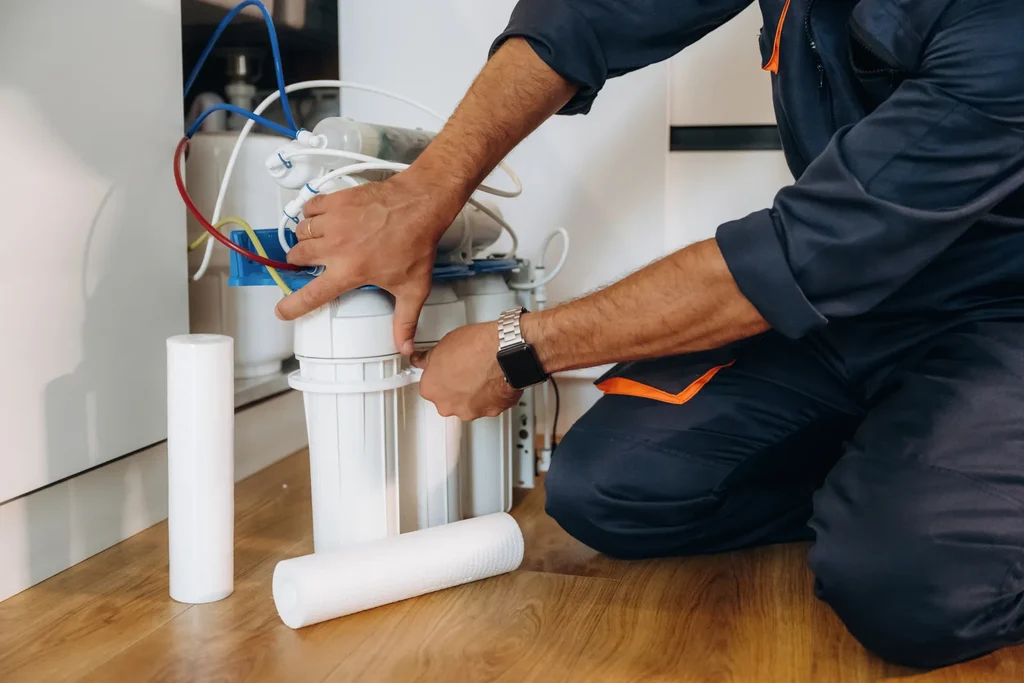
Pitcher filters and faucet-mounted filters can improve taste or reduce certain contaminants, depending on their design. Under-sink systems provide a more permanent option, while reverse osmosis uses a semipermeable membrane and other treatment stages to reduce a range of dissolved substances.
When comparing reverse osmosis drinking water systems, look beyond marketing claims. Check which contaminants the specific model is certified to reduce, how much treated water it produces, and how often its filters and membrane need replacement. Some systems also discharge wastewater during operation, so efficiency may be worth considering.
Space matters, too. An under-sink unit needs enough room for the equipment, connections, and any storage tank. If you live in a rental property or have limited cupboard space, a simpler filtration option may be more practical.
Most importantly, choose a system based on your water test results and intended use. A product that improves chlorine taste, for example, shouldn’t automatically be assumed to remove lead, nitrates, or every other unwanted substance.
When a Water Softener Is the Better Option
If your main complaint is scale, a water softener may be more suitable than a drinking-water filter. Conventional ion-exchange softeners reduce calcium and magnesium by exchanging them for other ions, commonly sodium.
Many homeowners appreciate the difference in daily cleaning. Soap may lather more easily, fixtures can be less prone to mineral deposits, and scale accumulation may decrease in compatible plumbing and appliances. The results depend on the original water hardness and how the system is selected and maintained.
However, a softener isn’t a universal purification device. It doesn’t remove every contaminant, and conventional systems add sodium to the treated water. Households with specific medical or dietary concerns should discuss appropriate options with a healthcare professional.
Some homes benefit from using a softener alongside a separate drinking-water filter. That arrangement allows each device to handle the task it’s designed for, rather than expecting one product to do everything.
The Importance of Reliable Water Treatment Services
Choosing the equipment is only part of the process. The system also needs to be installed correctly, configured for your water conditions, and maintained according to the manufacturer’s instructions. A poorly sized unit may struggle to meet household demand, while incorrect connections can cause leaks or operating problems.
Reliable water treatment services can help homeowners understand their test results, compare appropriate technologies, and select equipment suited to their plumbing and daily water use. A knowledgeable provider should explain the benefits and limitations of the recommended system rather than simply pushing the most expensive option.
Before agreeing to installation, ask for a written estimate covering equipment, labor, expected maintenance, and replacement parts. Find out whether the system requires electricity, drainage, salt, or periodic servicing. It’s also sensible to check warranty terms and confirm that the installer has the appropriate qualifications for the work.
A good provider should leave you feeling informed. You ought to understand what the equipment does, how to tell whether it is working properly, and whom to contact if something changes.
Don’t Forget Routine Maintenance
Even a well-chosen treatment system needs occasional attention. Filters eventually reach their service limits, softeners may need salt replenishment, and some equipment requires cleaning or periodic performance checks.
Keep a simple record of installation dates, filter replacements, and water test results. Follow the manufacturer’s schedule instead of waiting until the water starts tasting different or scale begins returning. Those changes can be useful warning signs, but they aren’t a reliable substitute for routine care.
Also consider the long-term cost before purchasing a system. The initial price is only one part of ownership; replacement filters, servicing, electricity, and other supplies can add up. An affordable system that suits your needs and maintenance habits may serve you better than a complicated unit with expensive replacement parts.
A Better Water Routine Starts With One Good Decision
Water is part of nearly everything we do at home, so improving it can make everyday tasks feel easier. The key is to understand the problem before choosing a solution. Identify the signs you’re noticing, test the water when appropriate, and compare systems designed to address those specific concerns.
You don’t need to purchase every available treatment technology or chase the idea of perfectly pure water. You need an approach that fits your household, your water supply, and your budget.
With informed choices and consistent maintenance, water treatment becomes a practical investment rather than another source of frustration. Sometimes, a small change in how you manage something as ordinary as tap water can make a surprisingly noticeable difference to daily life.