
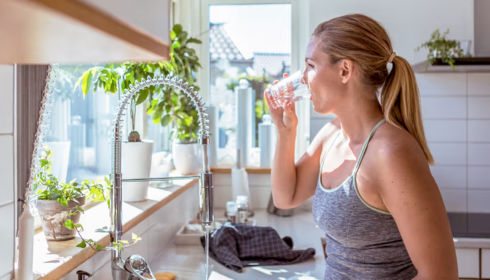
Why Clean Water Isn’t a Luxury — It’s a Daily Essential We Often Overlook
There’s something oddly comforting about turning on your tap and not giving the water a second thought. It flows, you drink, wash, clean — and move on. But what if the water running through your pipes isn’t doing your body or your home any favors? In the background of our everyday routines, the conversation around water quality is growing louder. And it should be.
Let’s face it: water is everywhere in our lives — in our morning coffee, on our dishes, soaking into our skin in long, hot showers. Yet, most of us assume it’s fine just because it looks clear. But that assumption can sometimes be, well… wrong.
The Truth About Tap Water
Most municipal water systems do a decent job. They meet basic safety standards. But those standards don’t always guarantee healthy water. “Safe” and “healthy” aren’t always the same thing. Many water sources still contain trace amounts of contaminants — like chlorine, lead, or pesticides — that can quietly affect our health over time. Not to mention, if you live in an older home with aging pipes, things get murkier.
Think about it: we’ve grown hyper-aware of what goes into our food. Organic this, non-GMO that. But when it comes to the water we drink every single day, we rarely ask the same questions.
What’s Hiding in Hard Water?
Hard water. That sneaky culprit that leaves your skin feeling tight, dulls your laundry, and destroys your plumbing one mineral at a time. If you’ve ever noticed white spots on your glasses or a cloudy film on your shower tiles — you’ve seen hard water at work.
When water is “hard,” it means it’s loaded with minerals like calcium and magnesium. And while they’re not inherently dangerous, they are incredibly annoying. Over time, those minerals build up in appliances, pipes, and even your body — sometimes contributing to things like dry skin, frizzy hair, or even kidney stones in extreme cases.
This is where soft water steps in like the unsung hero of your household. By reducing those excess minerals, soft water helps prolong the life of appliances, keeps your skin and hair happy, and even helps your soaps and shampoos lather better. It’s not just about luxury — it’s about efficiency and wellbeing.
Water Quality Isn’t One-Size-Fits-All
Here’s the catch — water problems are local. What works in one neighborhood may not solve the problem in another. Your city’s water supply, pipe infrastructure, and surrounding environment all affect what flows through your tap.
That’s why more homeowners are turning to personalized water quality solutions. It’s not about slapping a generic filter under the sink. It’s about finding the right combination of filtration, softening, and purification that actually matches your water’s unique makeup. And the good news? Modern water treatment systems are quieter, sleeker, and more effective than ever before.
The Perks of Set-It-and-Forget-It Water Care
Okay, so you’ve invested in a water softener or filtration system. Now what? Many systems require regular maintenance to stay effective — especially those that rely on salt to regenerate. But who remembers to restock salt every month?
That’s where a salt delivery service comes in. Think of it like auto-pilot for your water care routine. You sign up once, and like clockwork, the right amount of salt arrives at your doorstep — no lugging heavy bags from the store, no guessing when you’re running low. It’s the little conveniences like these that make long-term water care sustainable for busy families.
Beyond Taste: The Invisible Benefits of Better Water
Here’s the thing — improving your home’s water doesn’t always show up in dramatic ways. Sometimes, it’s the quiet perks: clothes lasting longer, fewer plumber visits, your morning coffee tasting just a bit richer. Other times, it’s bigger: fewer skin breakouts, fewer allergy symptoms, more peace of mind.
People often wait until there’s a “problem” — like rust-colored water or a broken water heater — before taking action. But water care doesn’t have to be reactive. It can be proactive. And honestly, it should be. Just like we go for annual checkups or service our cars, treating your water system to a little attention now can save you money (and headaches) later.
So, Is It Worth It?
Absolutely. Water may not be flashy, but it’s foundational. You deserve to know what you’re drinking, bathing in, and cleaning with. You deserve water that supports your health — not works against it. And luckily, we’re living in a time when the tools to achieve that are more accessible than ever.
It’s not about fear-mongering. It’s about being informed. Taking charge of your water is just one more way to take care of your family and your home — and honestly, once you start noticing the difference, you’ll wonder how you ever lived without it.