
When Your Home Outgrows You: Rethinking Space Through Smart Renovation
There’s a quiet shift that happens in many homes. It doesn’t arrive with a dramatic crack in the ceiling or a broken appliance. It creeps in gradually — the kitchen feels crowded during family dinners, the bathroom feels dated no matter how often you clean it, and suddenly you’re imagining what life would look like with just a little more space.
Most homeowners don’t wake up one morning desperate to renovate. It’s usually a slow realization that the house you once loved just doesn’t function the way it used to. And that’s okay. Homes evolve because the people inside them do.
Renovation, when done thoughtfully, isn’t about keeping up with trends. It’s about realigning your space with your life.
The Kitchen: Where Life Actually Happens
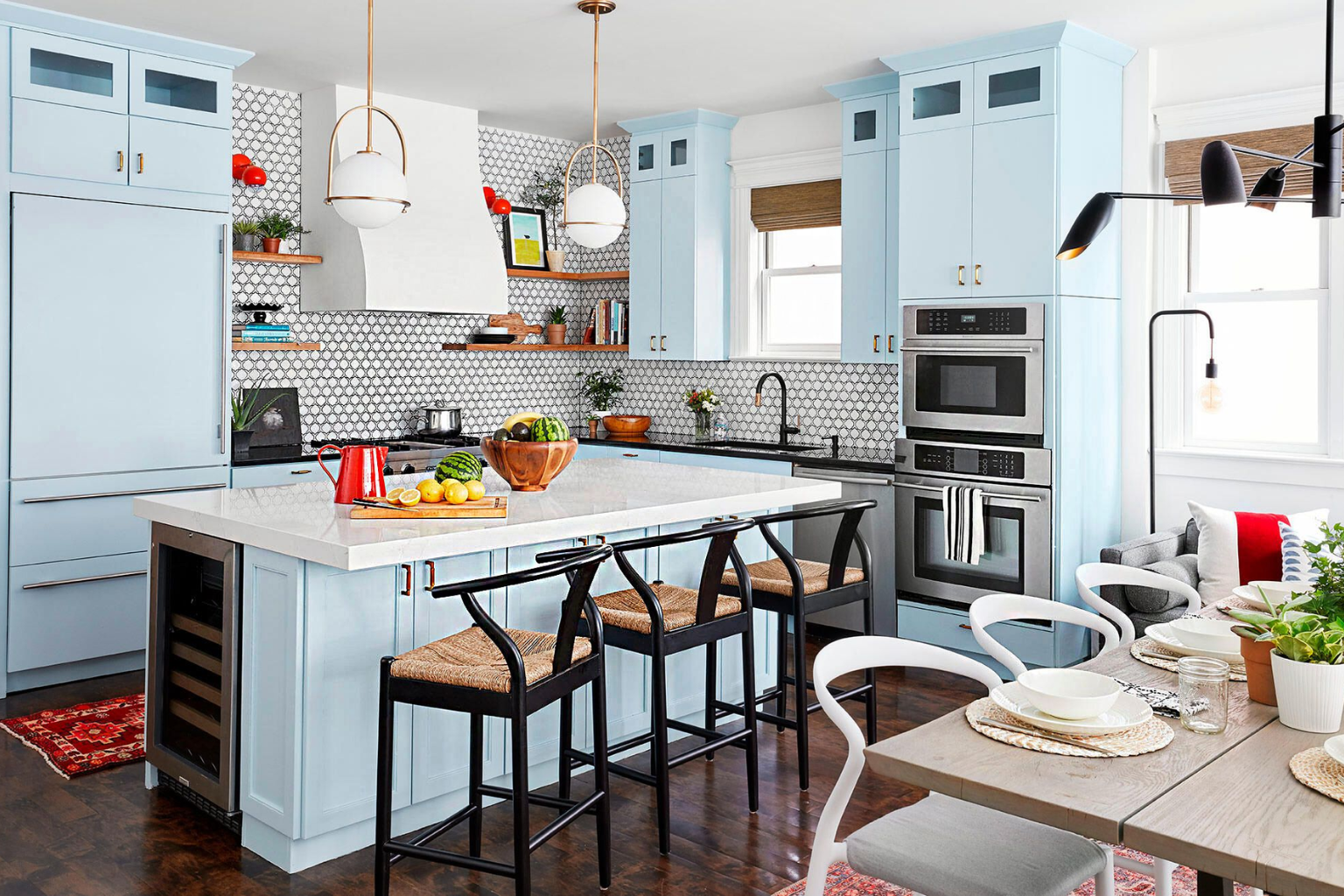
Let’s start with the obvious heart of the home. The kitchen isn’t just for cooking anymore. It’s where homework happens, where guests gather even when you ask them not to hover near the stove, and where late-night conversations unfold over a second glass of wine.
A well-planned kitchen renovation can completely shift the energy of a home. It’s not just about new countertops or stylish cabinets. It’s about flow.
Does the layout make sense? Is there enough prep space? Are appliances positioned logically, or are you constantly pivoting and bumping into someone?
Modern renovations often focus on openness — creating visual connection between the kitchen and living areas. Islands become gathering spots. Storage becomes smarter, not just bigger. Lighting layers add warmth and clarity.
And here’s something people rarely admit: a good kitchen makes daily routines easier. When cooking feels smooth instead of chaotic, the whole house seems calmer.
Bathrooms That Feel Like Retreats
Bathrooms, on the other hand, tend to get overlooked until they can’t be ignored anymore. Maybe it’s outdated tile. Maybe it’s poor lighting. Maybe it’s simply too small for your growing needs.
A thoughtful bathroom renovation isn’t just cosmetic. It can improve ventilation, increase storage, and even enhance comfort.
Walk-in showers, floating vanities, better mirrors — these aren’t luxuries in the flashy sense. They’re practical upgrades that make mornings less rushed and evenings more relaxing.
There’s also a psychological shift that happens when a bathroom feels clean, bright, and functional. It subtly improves how you start and end your day. That might sound dramatic, but space affects mood more than we realize.
When You Simply Need More Room
Sometimes, though, updating existing rooms isn’t enough. Families grow. Remote work becomes permanent. Hobbies demand dedicated space.
That’s where room additions come into the picture.
Adding square footage isn’t a small decision. It involves permits, planning, structural considerations, and serious budgeting. But when done right, it can feel like unlocking a new chapter in your home’s story.
Maybe it’s a home office that finally separates work from family life. Maybe it’s an extra bedroom for a growing child. Maybe it’s a sunroom that brings in light year-round.
The key is intention. Additions should integrate seamlessly with the existing structure — not feel like an afterthought.
Budgeting Without Panic
Renovations can feel overwhelming financially. Costs vary widely depending on materials, labor, and scope.
The trick is clarity. Decide what matters most. Invest in quality where it counts — cabinetry, structural work, plumbing — and simplify where possible.
It’s also wise to build a buffer for unexpected issues. Older homes especially can hide surprises behind walls.
But here’s the bigger picture: renovation isn’t just expense. It’s value. Updated kitchens and bathrooms consistently improve resale potential. Functional additions can significantly boost property appeal.
Even beyond resale, the daily improvement in quality of life carries weight.
Trends vs. Timeless Choices
Design trends come and go. Open shelving, bold tile patterns, dramatic fixtures.
It’s tempting to follow what’s popular, but longevity matters. Neutral foundations with flexible accents often age better than highly specific styles.
Choose materials and layouts that feel aligned with your long-term lifestyle, not just this year’s Pinterest board.
The Emotional Layer of Renovation
Renovating isn’t just construction. It’s emotional.
You’re reshaping the environment where your life unfolds. There’s vulnerability in that — making decisions that will affect how you live for years.
But there’s also excitement. The first time you step into a finished space that reflects who you are now, not who you were five years ago, something shifts.
It feels intentional. Personal.
Choosing the Right Professionals
A successful renovation relies heavily on collaboration. Contractors, designers, and homeowners need open communication.
Review past projects. Ask about timelines. Clarify expectations early. Transparency reduces stress later.
The best projects feel like teamwork, not transactions.
Final Thoughts: Creating a Home That Grows With You
Homes aren’t static structures. They’re living environments shaped by the people inside them.
If your space feels tight, outdated, or misaligned with your lifestyle, that’s not a failure. It’s an invitation.
An invitation to rethink layout. To update functionality. To expand where needed.
Whether it’s refreshing a kitchen, modernizing a bathroom, or adding an entirely new room, renovation allows your home to grow alongside you.
And when that alignment clicks — when space finally supports your life instead of resisting it — the transformation feels bigger than new cabinets or fresh paint.
It feels like coming home again.