
When Water Tells a Story: Living With (and Improving) What Flows Beneath Your Home
There’s something a little grounding about knowing your water doesn’t come from a distant treatment plant, but from right beneath your feet. Wells have that old-world charm to them—independence, self-reliance, a quiet connection to the land. But along with that comes a certain responsibility, one that most people only fully understand after living with it for a while.
Because well water… it has personality.
Some days it tastes crisp and fresh. Other times, it leaves behind a faint metallic note, or maybe a smell you can’t quite describe. It’s not necessarily bad—it’s just different. And that difference is worth paying attention to.
Understanding What Makes Well Water Unique
Unlike municipal water, well water doesn’t go through large-scale treatment before reaching your tap. It’s drawn directly from underground sources, picking up minerals, organic material, and sometimes trace elements along the way.
That’s why two homes just a few kilometers apart can have completely different water experiences.
And honestly, that unpredictability is both fascinating and a little frustrating.
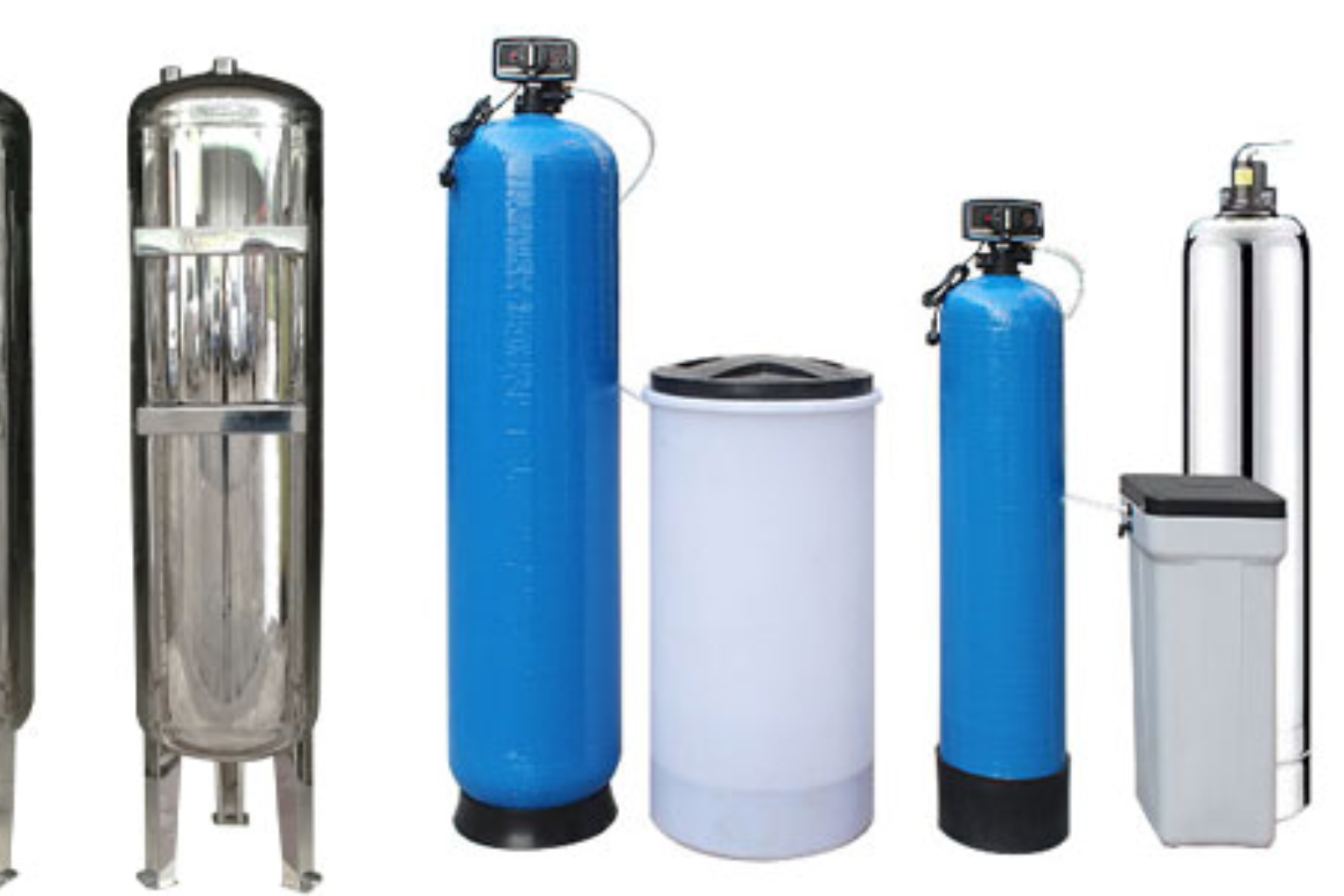
This is where well water treatment becomes less of a luxury and more of a practical necessity. Not because something is “wrong,” but because untreated well water can carry elements that affect taste, usability, and even long-term plumbing health.
The Subtle Signs You Shouldn’t Ignore
You don’t always need a lab report to tell you something’s off. Your home gives you hints—small ones, but consistent.
Maybe your sink develops rust-colored stains. Maybe your laundry doesn’t feel as soft as it should. Or your morning tea tastes just slightly… dull.
These are everyday signals. Easy to ignore, but hard to unsee once you notice them.
And often, they point toward one common issue—excess minerals.
Why Mineral Levels Matter More Than You Think
Let’s talk about mineral removal, because it’s one of the most common (and misunderstood) aspects of water treatment.
Minerals like iron, calcium, and magnesium aren’t harmful in small amounts. In fact, they’re naturally present in many water sources. But when their levels climb too high, they start causing problems.
Iron can stain fixtures and give water a metallic taste. Calcium leads to scale buildup, slowly clogging pipes and reducing appliance efficiency. Magnesium? It contributes to that stubborn hardness that makes soap feel less effective.
The tricky part is, these changes don’t happen overnight. They build up slowly, quietly, over time—until one day, you realize your water isn’t working for you anymore.
That Slight Taste You Can’t Quite Ignore
Then there’s the matter of taste. It’s subjective, sure—but also surprisingly consistent when something’s off.
Even in homes connected to treated supplies, people often notice a sharp or chemical edge in their water. That’s usually chlorine doing its job—disinfecting, keeping things safe—but not exactly making your drinking experience enjoyable.
That’s where chlorine taste improvement solutions come in. They don’t strip the water of everything—just the parts that interfere with how it feels and tastes.
And once you’ve had a glass of water that’s genuinely clean and neutral, you start wondering how you ever settled for anything less.
Living With Better Water Feels Different
Here’s the part that’s hard to explain until you experience it yourself.
Improving your water doesn’t feel like a dramatic upgrade. There’s no big reveal, no instant “wow” moment. It’s more subtle than that.
Your showers feel smoother. Your dishes come out cleaner. Your appliances run just a bit more efficiently. And over time, those small improvements become your new normal.
It’s like adjusting the lighting in a room—you don’t notice the change every second, but the overall atmosphere feels better.
Choosing What Actually Works for You
One of the biggest mistakes people make is assuming there’s a single “best” solution for water treatment.
There isn’t.
What works for one home might not make sense for another. It depends on your water source, your usage, and what specific issues you’re dealing with.
That’s why testing matters. Not as a complicated, technical process—but as a starting point. A way to understand your water before trying to fix it.
From there, the right approach becomes clearer. Maybe it’s a filtration system. Maybe it’s a softener. Maybe it’s a combination of both.
The goal isn’t perfection—it’s improvement.
A Relationship You Didn’t Realize You Had
It’s funny, in a way. Water is something we interact with constantly, yet rarely think about deeply.
Until we do.
And once you start paying attention—really paying attention—you realize it’s not just about convenience. It’s about comfort, health, and the quiet quality of everyday life.
Because when your water works the way it should, everything else feels just a little easier.
The Quiet Payoff of Getting It Right
At the end of the day, improving your water isn’t about chasing trends or installing the latest system just because it’s popular.
It’s about solving real, tangible issues in a way that fits your home and your lifestyle.
And once it’s done? You don’t think about it much.
You just turn on the tap, fill your glass, and trust what’s coming out. No second-guessing. No hesitation.
Just water—clean, simple, and exactly how it should be.