
What’s Really in Your Water? A Practical Guide to Filtration in a Changing World
There was a time when most of us didn’t question what came out of the tap. If it was clear and didn’t smell strange, that was good enough. We filled our glasses, brewed coffee, watered plants, and moved on.
Lately, though, the conversation has shifted. News about contaminants, aging infrastructure, and emerging chemicals has made people pause. Not panic — just pause. And that pause often leads to one simple thought: maybe it’s time to understand my water a little better.
That’s where water filtration comes into the picture.
Why Filtration Isn’t Just a Trend
Water treatment isn’t new. Municipal systems have been filtering and disinfecting water for decades. But household filtration has grown in popularity because people want more control over what enters their homes.
Taste is usually the first motivator. Chlorine, which is used to disinfect public water supplies, can leave a noticeable aftertaste. Hard minerals can make water feel heavy. Even tiny sediment particles can create cloudiness in a glass.
Home filtration systems refine what’s already been treated. They’re not replacing municipal systems — they’re adding another layer of reassurance.
And once you’ve experienced better-tasting water consistently, it’s hard to ignore the difference.
The Rise of Reverse Osmosis
Among the various options available, reverse osmosis systems tend to get the most attention. They sound technical — and they are — but the concept is straightforward.
Water is pushed through a semi-permeable membrane that filters out dissolved solids, heavy metals, and other microscopic impurities. The result is highly purified drinking water delivered directly from a dedicated tap.
People who install RO systems often describe the taste as noticeably cleaner and lighter. Coffee flavors sharpen. Ice cubes freeze clear. Even simple glasses of water feel more refreshing.
That said, reverse osmosis isn’t necessary for every home. In areas where water quality is already relatively high, simpler filtration methods may suffice. The key is testing your water first rather than assuming you need the most advanced system available.
The PFAS Conversation
In recent years, attention has turned toward a group of synthetic chemicals known as PFAS — sometimes called “forever chemicals” because they break down very slowly in the environment.
Concerns about PFAS contamination in certain regions have led many homeowners to explore pfas filtration specifically. While municipal systems are working to address these compounds, additional filtration at home can provide added peace of mind in affected areas.
Activated carbon filters and certain reverse osmosis membranes have shown effectiveness in reducing PFAS levels. Again, testing is critical. There’s no point in targeting contaminants that aren’t present in your local supply.
But if you live near industrial areas, military bases, or regions known for PFAS issues, it’s worth investigating.
Choosing the Right Approach
It’s easy to get overwhelmed by the number of filtration products on the market. Countertop filters, under-sink units, whole-house systems — each serves a different purpose.
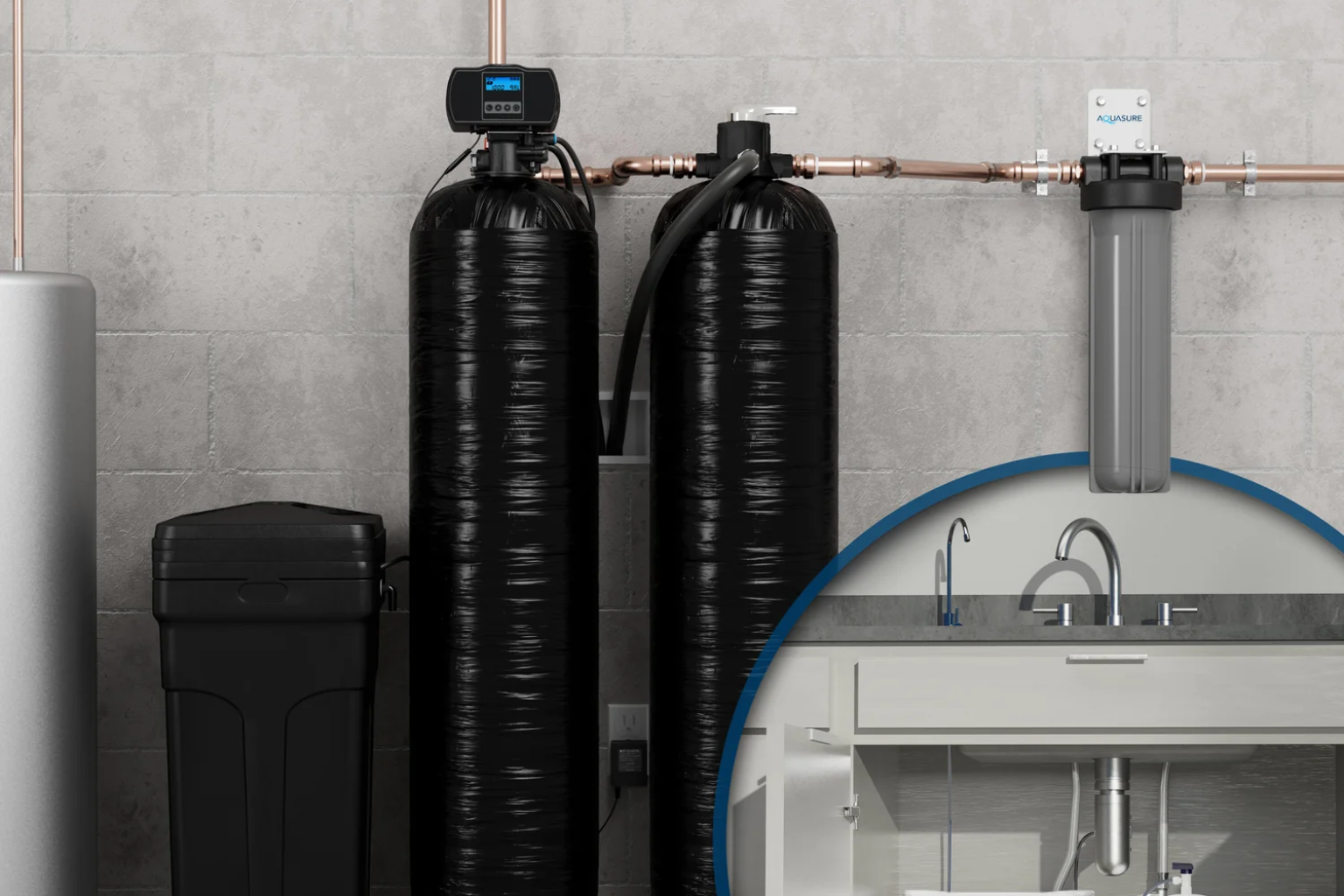
If your primary concern is drinking water taste and purity, an under-sink RO system or carbon filter may be sufficient. If sediment and chlorine are affecting your entire home experience, a whole-house filter could make more sense.
The right solution depends on your water profile, your budget, and your priorities.
One thing is clear: guessing isn’t helpful. A professional water analysis reveals what’s actually present and prevents unnecessary purchases.
Beyond Drinking: Everyday Comfort
While most filtration conversations focus on drinking water, the benefits extend further.
Filtered water can improve cooking flavors. It can reduce scale buildup in appliances. It can even make showers feel gentler when chlorine levels are lowered.
These changes aren’t dramatic, but they’re noticeable. They show up in small daily moments — clearer glasses, smoother skin, fewer spots on dishes.
Water touches nearly every part of your home life. Improving it subtly enhances all those interactions.
Maintenance Matters
No filtration system works forever without attention. Filters need replacement. Membranes require periodic servicing. Ignoring maintenance reduces effectiveness and can even allow contaminants to slip through.
Fortunately, modern systems are designed for manageable upkeep. Replacement schedules are predictable, and many units include simple reminders.
It’s not complicated — just part of responsible ownership.
The Bigger Picture
Ultimately, home water filtration isn’t about fear. It’s about intention.
You’re choosing to refine something essential. To take an extra step toward clarity and control. To ensure that what flows through your pipes aligns with your expectations.
And once it’s installed and functioning properly, you’ll likely stop thinking about it altogether. You’ll pour a glass without hesitation. Brew coffee without second-guessing the flavor. Shower without noticing chemical smells.
Water becomes what it should be — simple and reliable.
In a world where information about environmental contaminants is more accessible than ever, being proactive about water quality feels less like overthinking and more like common sense.
Start with testing. Understand your local supply. Then choose a system that fits your needs.
Because sometimes the most meaningful upgrades aren’t visible at all. They’re felt quietly, every time you turn on the tap.