
What Your Water Isn’t Telling You (But Probably Should)
There’s a strange thing about water—it rarely announces its problems. It doesn’t knock on your door and say, “Hey, something’s off today.” Instead, it whispers. A faint smell here, a weird taste there, maybe a little residue left behind on your glassware. Easy to ignore, honestly.
Most people do.
Until one day, those small signs start to pile up. And suddenly, water—something you’ve trusted your whole life—feels just a little… questionable.
The Subtle Signs We Tend to Overlook
It’s not always obvious. That’s the tricky part.
Maybe your shower leaves your skin feeling dry, even after using your favorite soap. Or your coffee tastes slightly bitter, no matter how good the beans are. Sometimes it’s the buildup on faucets or that cloudy look in a glass of water when the light hits just right.
Individually, these things don’t seem like a big deal. But together, they tell a story.
Water isn’t just H₂O flowing through pipes. It carries everything it picks up along the way—minerals, chemicals, sediments. Some harmless, some less ideal. And unless you take a closer look, you’re mostly guessing.
Why Guessing Isn’t Always Enough
Here’s the thing—water quality varies wildly from one place to another. Even neighboring homes can have slightly different issues depending on plumbing, storage tanks, or local supply conditions.
That’s why relying on assumptions doesn’t really cut it.
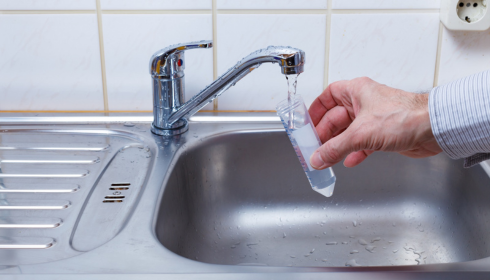
This is where water condition testing starts to make a lot of sense. It’s not about overcomplicating things. It’s about getting clarity.
A proper test can reveal what’s actually in your water—hardness levels, iron content, chlorine presence, maybe even trace contaminants you wouldn’t expect. It takes the guesswork out of the equation.
And once you know what you’re dealing with, everything else becomes easier.
The First Step Most People Skip
Interestingly, many homeowners jump straight to solutions. They buy filters, install systems, or follow advice they’ve heard from friends or online forums.
Sometimes it works. Sometimes it doesn’t.
But skipping the diagnostic step? That’s like taking medicine without knowing the illness.
A free water analysis can be a surprisingly helpful starting point. It gives you a baseline. A snapshot of your water’s current state. And more importantly, it helps you avoid spending money on things you might not actually need.
There’s a certain relief in seeing the numbers laid out clearly. It turns a vague concern into something concrete—something you can actually address.
Not All Solutions Are Created Equal
Once you have the data, the next step isn’t just “fix everything.” It’s about choosing what actually matters for your situation.
For example, if your water is hard, a softener might make a noticeable difference. If chlorine levels are high, filtration could improve both taste and smell. And if you’re dealing with multiple issues, a combination approach might be the way to go.
This is where tailored treatment plans really come into play. Instead of applying a generic fix, you’re looking at a solution designed specifically for your water profile.
It’s a bit like getting a custom suit instead of buying something off the rack. Both can work—but one just fits better.
The Emotional Side of Clean Water (Yes, It Exists)
We don’t talk about this enough, but water quality isn’t just a technical issue. It’s emotional, too.
There’s something deeply comforting about trusting your water. About filling a glass straight from the tap without hesitation. About knowing your family is using water that’s been thoughtfully treated.
It’s subtle, but it changes how you feel in your own home.
You stop second-guessing. Stop overthinking. It’s just… one less thing to worry about.
And in today’s world, that kind of peace of mind is worth more than we often realize.
Small Changes, Real Impact
Improving water doesn’t always require a massive overhaul. Sometimes, even minor adjustments can lead to noticeable improvements.
A simple filter upgrade. A system tweak. Regular maintenance that keeps everything running smoothly.
Over time, these small changes add up. Your appliances last longer. Your cleaning routine gets easier. Even your daily habits—like drinking more water—might shift without you consciously trying.
It’s not about perfection. It’s about progress.
Where to Begin (Without Feeling Overwhelmed)
If all of this feels like a lot, you’re not alone. Water systems can get technical quickly, and it’s easy to feel like you’re out of your depth.
So, keep it simple.
Start by paying attention. Notice how your water looks, tastes, and feels. Trust those small observations—they’re often more accurate than you think.
Then, consider testing. Even a basic analysis can give you valuable insight.
From there, take it step by step. You don’t need to solve everything at once. In fact, you probably shouldn’t.
A Final Thought That Might Stick With You
Water is one of those things we use constantly but rarely think about deeply. It’s woven into every part of our daily lives, quietly supporting us in ways we often take for granted.
But when you start paying attention—really paying attention—you realize it deserves a bit more care.
Not because something is terribly wrong. But because it can be better.
And sometimes, better is all we’re really looking for.