
The Water You Live With Every Day (And Why It Deserves a Second Look)
There’s a strange kind of trust we place in water. You turn on the tap, fill a glass, rinse your hands—and that’s it. No questions asked. It’s just… there. Reliable, familiar, part of the rhythm of everyday life.
But every now and then, something feels slightly off. Maybe your tea tastes different at a friend’s house. Or your skin feels oddly dry after a shower. Nothing dramatic, just enough to make you wonder if the water you’ve been using all along is really as “normal” as you thought.
Turns out, water isn’t one-size-fits-all. Not even close.
Understanding the Difference Between Sources
Let’s start with something simple: not all water comes from the same place. Some homes rely on underground wells, others on city supply systems. And that difference? It matters more than most people realize.
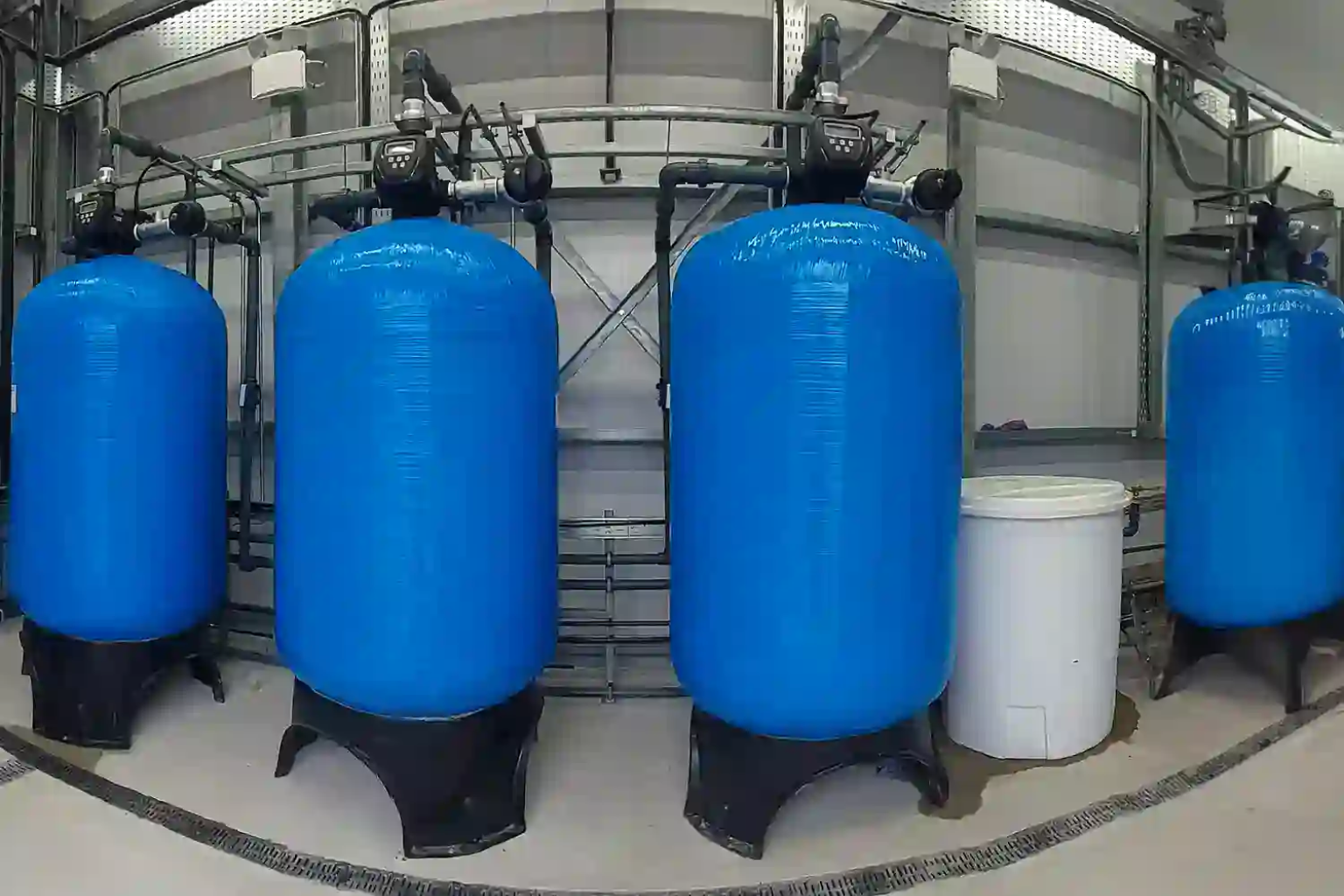
If your home runs on groundwater, you’re dealing with a completely different set of variables. Minerals, sediments, sometimes even naturally occurring contaminants—it’s a mixed bag. That’s why well water treatment becomes less of an option and more of a necessity in many cases.
I’ve seen people assume their well water is “pure” just because it’s natural. And sure, it can be clean—but it can also carry iron, sulfur, or bacteria depending on the region. Without proper treatment, those elements slowly affect everything—from taste to plumbing.
It’s not about fear, though. It’s about awareness. Once you understand what’s in your water, you can actually do something about it.
City Water Isn’t Perfect Either
Now, you’d think municipal water would solve all these issues. After all, it’s treated, regulated, monitored… right?
Yes—and no.
While city water systems are designed to be safe, they’re not always designed for comfort or taste. Chlorine is often added to disinfect, which is necessary, but it can leave behind a noticeable smell or flavor. Pipes—especially older ones—can also introduce their own set of problems.
These are the kinds of municipal water issues people don’t always talk about openly. It’s not that the water is unsafe, but it’s not always ideal either. And when you use it every single day, those small imperfections add up.
You might not notice it at first. But over time, it shows up in subtle ways—your hair feels a bit dull, your dishes have spots, your drinking water tastes… flat.
The Quiet Frustration of Hard Water
If there’s one issue that connects both well and city water, it’s hardness.
Hard water doesn’t sound like a big deal. It’s not harmful in most cases, and many people live with it for years without giving it much thought. But once you start noticing the signs, it’s hard to ignore.
Soap doesn’t lather properly. White residue builds up on fixtures. Your water heater works harder than it should. Towels feel rough, even when freshly washed.
That’s where hard water reduction makes a noticeable difference. It’s not just about aesthetics—it’s about improving how water interacts with everything it touches.
And honestly, once you experience softer water, it’s one of those changes that feels surprisingly… luxurious. In a quiet, everyday kind of way.
It’s the Small Things That Add Up
What’s interesting is how water quality affects things you don’t immediately connect to it.
Take your morning routine, for example. You brush your teeth, wash your face, maybe make coffee. If the water is off—even slightly—you feel it. The taste isn’t quite right. Your skin reacts differently. Even your coffee seems less enjoyable.
Then there’s laundry. Ever noticed how clothes sometimes feel stiff or fade faster than expected? Water plays a role there too.
These aren’t huge problems. They’re small, almost forgettable inconveniences. But when they show up every day, they start to matter more than you’d think.
Finding the Right Balance (Without Overcomplicating It)
Here’s where people often get stuck—figuring out what to actually do about it.
There are so many options out there. Filters, softeners, purifiers… it can feel like you need a degree in water science just to make a decision. But you really don’t.
Start with understanding your water source. Then look at the issues you’re actually experiencing. Not what someone online says you might have—what you know is happening in your home.
From there, solutions become clearer. Maybe you need to address hardness. Maybe it’s about improving taste and odor. Maybe it’s a combination of things.
The key is not to overthink it. Water doesn’t need to be perfect—it just needs to be better than it is now.
A Change You Feel, Not Just See
Some upgrades in a home are visual. You repaint a wall, change furniture, install new lighting—you notice it instantly.
Improving your water isn’t like that.
It’s more subtle. You feel it over time. Showers become more comfortable. Cleaning becomes easier. Drinking water becomes something you actually enjoy, instead of tolerate.
And maybe the biggest difference? Peace of mind. Knowing that the water running through your home is working with you, not against you.
In the End, It’s About Paying Attention
We don’t often stop to think about water. It’s easy to take for granted, especially when nothing seems obviously wrong.
But once you start paying attention—really paying attention—you realize how much it shapes your daily life.
And improving it? That’s not about chasing perfection. It’s about making small, meaningful changes that quietly improve everything else.
Sometimes, that’s all it takes.